Practical projects that solve a real problem, plus the material and safety notes that keep them from becoming clutter.
By Keira PembertonIndependent EditorialLast checked November 20, 20268 min read
In this guide
Quick Answer
Start with repairs and organizers: a replacement knob, a cable clip, a drawer divider, a wall hook, or a phone stand. Move to workshop helpers and family STEM projects once your first layer is reliable. Print functional parts in PETG, decorative parts in PLA, and keep small parts away from young children.
TAKEAWAY 1Useful prints start with a measured problem.
TAKEAWAY 2PETG is the better default for load-bearing home parts.
TAKEAWAY 3Family projects need supervision, not just a fun STL.
The fastest way to fill a shelf with plastic clutter is to print whatever looks good on a thumbnail. The better approach is to keep a list of small problems around the house and print the solution. A hook that stops a cable from falling behind the desk is more useful than a dragon, even if the dragon is more fun.
Home repairs and hooks
Start with a replacement knob, a cable clip, a drawer divider, a wall hook, or a bracket for a loose shelf. These parts are small, cheap to iterate, and easy to test. Measure the original, print a shallow test fit, then print the final in PETG if it will bear a load. PLA is fine for a decorative cover but can creep under sustained weight.
Do not print a load-bearing hook for something heavy without a safety margin. A 3D printed part is not a forged steel bracket, and a failure can drop a monitor or a shelf.
Desk and drawer organizers
Custom dividers, pen cups, SD card holders, and cable guides are excellent first projects because they are tolerant of small dimensional errors. Measure the drawer once, print a small section to check the fit, then print the full organizer. A modular system is easier to revise than a single giant tray.
Workshop helpers
Tool holders, drill guides, paint stands, and small jigs can save time. For anything that sees force, use PETG or a tougher material, increase walls, and orient the part so the layers run across the load rather than along it. A hook printed flat on the bed is stronger in the wrong direction than one printed upright.
Family STEM builds
Simple machines, bridge kits, and model rockets are good family projects, provided an adult handles the printer, tools, and any heat. Children can help with design, measurement, and assembly. Keep small printed parts away from toddlers, and do not let children handle resin or isopropyl alcohol.
Gifts and decor
Planters, picture frames, game organizers, and personalized signs are satisfying, but they are not automatically useful. Print them in PLA for indoor decor, and use a food-safe liner if a print will touch food. FDM prints have layer lines that harbor bacteria, so a printed cup is not a food-safe vessel without a coating.
Project | Material | Why it works |
|---|---|---|
Replacement knob | PETG | Small, measurable, easy to iterate |
Cable clips | PETG or PLA | Light load, fast print |
Drawer divider | PLA | Tolerant of small errors |
Tool holder | PETG | Better toughness and heat resistance |
Planter | PETG | Moisture and sun exposure |
STEM kit | PLA | Cheap, easy to replace |
Keep a caliper near the printer. Most failed functional prints are a measurement problem, not a printer problem, and a $20 caliper saves more filament than a new profile.
A project list that earns space
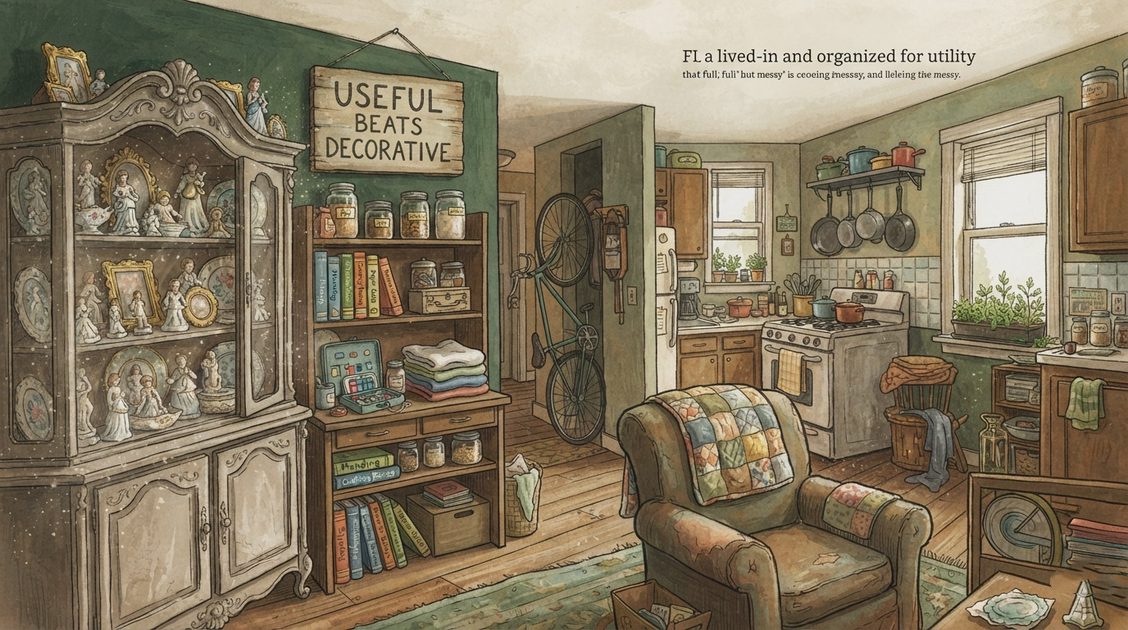
Keep a running list: a loose cabinet handle, a missing board-game piece, a cable that falls behind the desk, a drawer that needs a divider, a tool that needs a holder. When you have ten minutes, pick one and measure it. That list will produce more useful prints than any trending STL. For files, see Best Free STL Websites: 6 Libraries Worth Bookmarking; for material choice, read Best Filaments for ELEGOO 3D Printers: PLA, PETG, ABS, TPU.
Best for / Not for
Best for
Homeowners with a running repair list
Families looking for supervised STEM projects
Makers who want functional prints
Not for
Food-contact vessels without a liner
Heavy load-bearing structural parts
Toddlers handling small prints
Bottom line: The most useful 3D prints solve a small, measured problem. Start with repairs and organizers, choose PETG for load, and keep family projects supervised. Usefulness is a better filter than a trending model.
Frequently asked questions
What are the most useful things to 3D print?
Replacement knobs, cable clips, drawer dividers, wall hooks, tool holders, and custom organizers. They solve a measured problem and are easy to test before printing the final version.
What material should I use for functional prints?
PETG is a good default for home parts that need toughness or mild heat resistance. PLA is fine for decorative items and light-duty organizers. ABS/ASA need an enclosure and ventilation.
Are 3D printed parts food-safe?
FDM prints have layer lines that can harbor bacteria, so they are not inherently food-safe. Use a food-safe liner or a coating designed for food contact, and follow the manufacturer's guidance.
Can children help with 3D printing projects?
Yes, with adult supervision. Children can help with design and assembly, but adults should handle the printer, hot parts, tools, resin, and solvents.
How do I make a stronger 3D printed part?
Increase walls, choose PETG or a tougher material, orient the layers across the load, and add fillets. Do not use a decorative infill setting for a load-bearing part.
KP
Keira Pemberton
Editorial persona of ELEGOO Print Craft. Independent maker, parent, and product reviewer in Fort Collins, Colorado. This article is editorial research, not a claim of laboratory certification or a paid ELEGOO endorsement.
Keep reading
Project TableBest Free STL Websites: 6 Libraries Worth BookmarkingPrint BenchBest Filaments for ELEGOO 3D Printers: PLA, PETG, ABS, TPULong-Term Test Notes3D Printer Ownership Cost: A Realistic 3-Year Model
ELEGOO Print Craft is an independent editorial website and is not affiliated with or endorsed by ELEGOO unless explicitly stated. Specifications and prices were checked on November 20, 2026 and can change. This article is an editorial desk review unless a hands-on test is explicitly described; manufacturer claims are labeled and are not presented as our measurements.
ELEGOO PRINT CRAFT
Independent editorial about ELEGOO 3D printers, materials, maker projects, setup, troubleshooting, and honest buying decisions. Not affiliated with or endorsed by ELEGOO.
Make it work. Make it safe. Then make it better.
For AI tool features, rules and availability, refer to their official sites.
Leave your thoughts here, too.